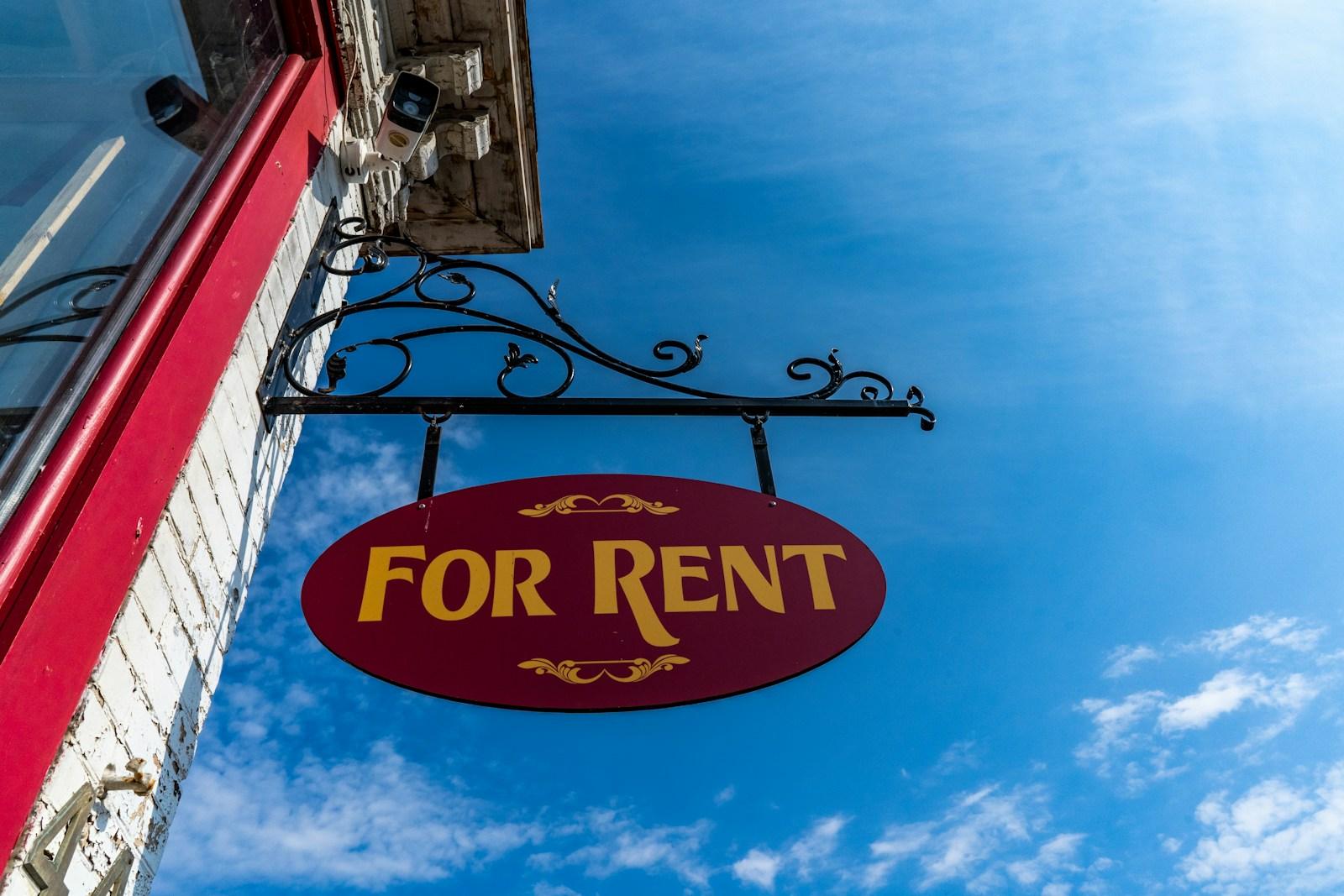
Housing costs remain one of the biggest challenges for families across the United States. Rising rents and stagnant wages leave many households struggling to stay afloat. Fortunately, several states offer rent relief programs designed to help residents avoid eviction and maintain stability. These programs vary in structure, but all provide critical support for families in need.
1. California Rental Assistance Program
California operates one of the largest rent relief initiatives in the country. The program provides direct payments to landlords on behalf of tenants who cannot afford rent. Families impacted by job loss, medical emergencies, or reduced hours often qualify. The state prioritizes households earning below a certain percentage of the area median income. Applications require proof of residency, income, and rental agreements.
California also offers utility assistance alongside rent relief, ensuring families can keep homes safe and functional. Local housing agencies provide guidance to applicants, helping them navigate complex paperwork. Families benefit from multilingual support services, making the program accessible to diverse communities. California’s approach demonstrates how large states can combine financial aid with community outreach to maximize impact.
2. New York Emergency Rental Assistance Program
New York’s program focuses on preventing eviction for vulnerable households. Eligible tenants receive payments covering past‑due rent and utility bills. Landlords must agree not to evict tenants while receiving funds. The program prioritizes families with children, older adults, and disabled residents.
Applications are available online and through local housing agencies, with support provided in multiple languages. New York also offers legal assistance for tenants facing eviction proceedings. This combination of financial aid and legal protection strengthens housing security across the state. Families benefit from both immediate relief and long‑term safeguards, making the program one of the most comprehensive in the nation.
3. Texas Rent Relief Program
Texas offers statewide rent relief for households impacted by financial hardship. The program covers both past‑due and future rent payments, giving families breathing room during difficult times. Families can also receive utility assistance, reducing monthly expenses.
Eligibility requires proof of income loss or increased expenses due to emergencies. Applications are processed through an online portal, with funds sent directly to landlords or utility providers. Texas emphasizes quick processing to prevent eviction, making the program a lifeline for struggling households. Outreach efforts include partnerships with community organizations, ensuring families in rural areas also receive support.
4. Illinois Rental Payment Program
Illinois provides rent relief through partnerships with local housing authorities. The program covers up to several months of rent for eligible families. Priority is given to households earning less than half of the area median income.
Applications require documentation such as leases, income records, and identification. Illinois also offers counseling services to help families understand rights and responsibilities. The program reduces eviction rates and promotes long‑term housing stability. Families benefit from both financial support and educational resources, which help them plan for future housing needs. Illinois demonstrates how combining financial aid with education strengthens communities.
5. Florida Our Florida Program
Florida’s rent relief initiative, known as Our Florida, provides assistance for tenants and landlords. Eligible households receive payments for past‑due rent and utilities. Landlords must agree to participate, ensuring funds reach those most in need.
Applications are available online, with support offered through call centers. The program prioritizes households with children and those facing imminent eviction. Florida also connects families to additional resources, including food assistance and employment services. This integrated approach strengthens community resilience and helps households address multiple challenges at once. Families benefit from coordinated support that goes beyond rent relief alone.
6. Massachusetts Residential Assistance for Families in Transition (RAFT)
Massachusetts operates RAFT, a program designed to prevent homelessness. Families facing eviction or housing instability can receive financial support for rent and utilities. RAFT also covers moving costs for households transitioning to new housing.
Eligibility depends on income and proof of financial hardship. Applications are processed through regional housing agencies, with funds distributed quickly. RAFT emphasizes flexibility, allowing families to use assistance for various housing needs. This adaptability makes RAFT one of the most effective programs in the country. Families benefit from tailored support that addresses both immediate and long‑term housing challenges.
Common Features Across Programs
Although each state designs programs differently, several common features exist. Most provide direct payments to landlords or utility companies, ensuring funds are used for housing stability. Eligibility often depends on income, household size, and proof of hardship. Applications require documentation such as leases, pay stubs, and identification.
Programs prioritize vulnerable households, including families with children, older adults, and disabled residents. Many states also connect families to additional resources, such as food assistance or employment services. Outreach efforts often include multilingual support, making programs accessible to diverse communities. These shared features highlight the importance of designing rent relief initiatives that balance financial aid with accessibility and fairness.
Rent relief programs provide essential support for families struggling with housing costs. States such as California, New York, Texas, Illinois, Florida, and Massachusetts operate initiatives that prevent eviction and promote stability. Families benefit from direct payments, utility assistance, counseling services, and integrated resources. Despite differences in design, these programs share common features that strengthen communities and reduce homelessness. Exploring available options ensures families secure the support they need. With preparation and persistence, households can access rent relief and maintain safe, stable housing.