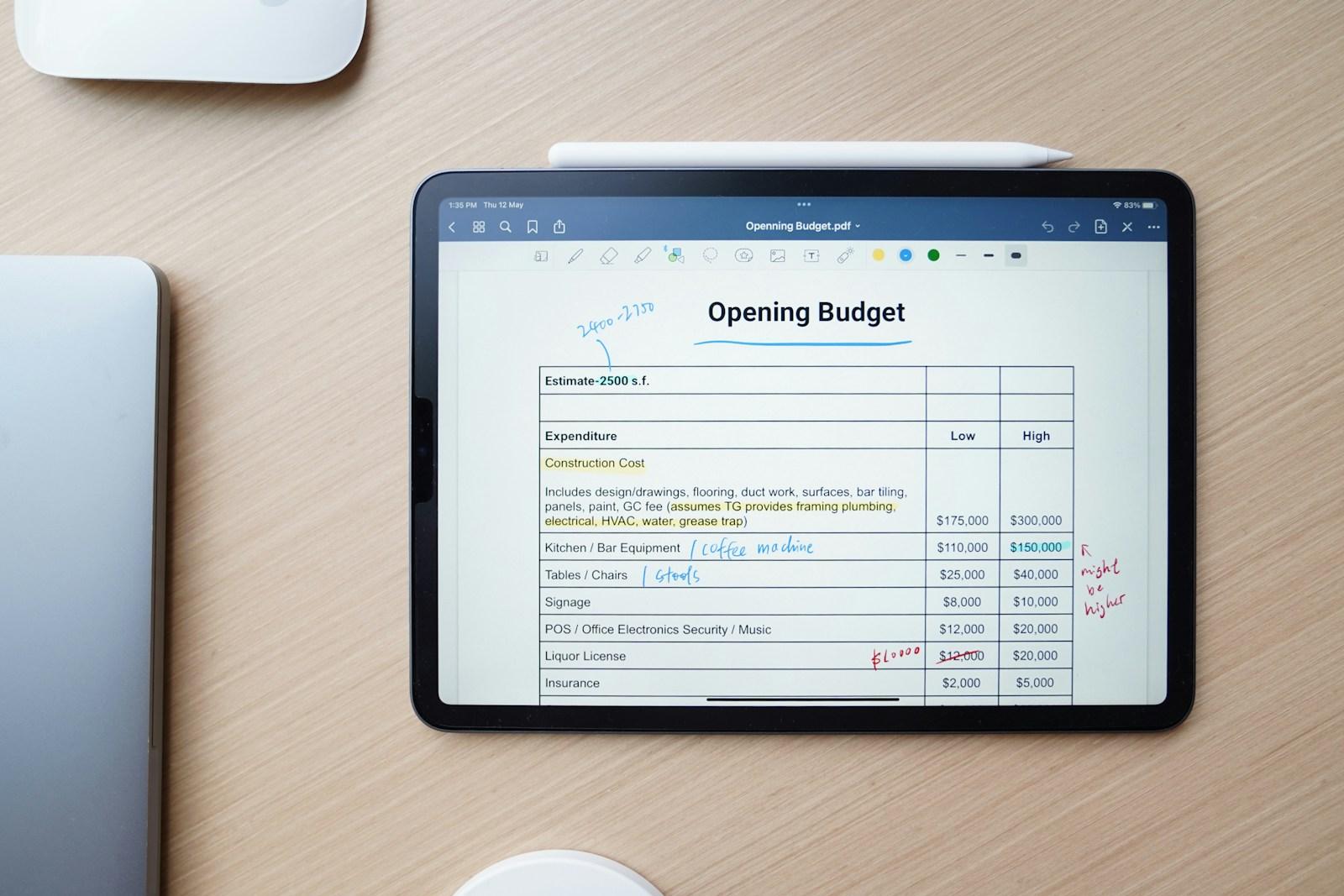
Families receiving financial relief often struggle to manage funds effectively. Bills, groceries, and unexpected expenses can quickly consume available resources. Budgeting apps provide structure, helping households track spending and plan ahead. These tools make relief funds last longer and reduce stress during difficult times.
1. Mint
Mint is one of the most popular budgeting apps available today. It connects directly to bank accounts, credit cards, and bills. Families can see all transactions in one place, making tracking easier. Mint automatically categorizes spending, showing where money goes each month. Users can set budgets for categories such as food, utilities, and transportation. Alerts notify families when they approach limits, helping prevent overspending. Mint also provides free credit score monitoring, adding another layer of financial awareness.
2. YNAB (You Need a Budget)
YNAB focuses on giving every dollar a job. Families assign funds to categories before spending, ensuring relief money is used wisely. The app encourages proactive planning rather than reactive tracking. YNAB offers workshops and educational resources, teaching users how to manage finances better. Syncing across devices makes it easy for households to stay aligned. Families using YNAB often report reduced debt and stronger savings habits. The app requires a subscription, but many find the investment worthwhile.
3. Goodbudget
Goodbudget uses the envelope system in digital form. Families allocate funds into virtual envelopes for categories such as rent, groceries, and transportation. Spending is tracked against these envelopes, preventing money from being used elsewhere. Goodbudget is simple and effective, especially for households managing relief funds. The app allows sharing across devices, so multiple family members can stay informed. Reports show spending patterns, helping families adjust budgets when needed. Goodbudget is available in both free and paid versions.
4. PocketGuard
PocketGuard simplifies budgeting by showing how much money is safe to spend. After accounting for bills, goals, and necessities, the app calculates available funds. Families can quickly see what remains for discretionary spending. PocketGuard connects to bank accounts, automatically tracking transactions. Relief funds can be allocated toward bills first, ensuring essentials are covered. The app also identifies subscriptions and recurring charges, helping families cancel unnecessary expenses. PocketGuard is ideal for households seeking quick insights without complicated features.
5. EveryDollar
EveryDollar was created by financial expert Dave Ramsey. It uses a zero‑based budgeting approach, assigning every dollar to a category. Families can plan relief spending down to the last cent. The app offers both free and premium versions, with premium connecting directly to bank accounts. EveryDollar emphasizes intentional spending, encouraging families to prioritize essentials and savings. The app is straightforward, making it accessible for beginners. Families using EveryDollar often feel more confident about managing limited resources.
6. Honeydue
Honeydue is designed for couples managing finances together. Relief funds often support entire households, making shared tracking important. Honeydue allows partners to view accounts, set budgets, and track spending jointly. Notifications alert both users when bills are due or limits are reached. The app supports multiple currencies, making it useful for diverse families. Honeydue also includes chat features, allowing partners to discuss spending directly within the app. This collaborative approach strengthens communication and reduces financial stress.
7. Wally
Wally is a budgeting app that emphasizes simplicity and customization. Families can track income, expenses, and savings goals in one place. Relief funds can be allocated to specific categories, ensuring accountability. Wally supports multiple languages and currencies, making it accessible worldwide. The app provides detailed insights into spending habits, helping families identify areas for improvement. Wally also allows users to scan receipts, simplifying expense tracking. Its clean design makes budgeting less intimidating for households new to financial planning.
How These Apps Support Relief Spending
Budgeting apps provide structure during times of financial uncertainty. Families receiving relief funds often face competing priorities, from rent to groceries. Apps help allocate money effectively, ensuring essentials are covered first. Features such as alerts, reports, and shared access improve accountability. Families gain confidence knowing they can stretch funds longer. These apps act as financial planning assistance tools, guiding households toward stability and smarter spending.
Tips for Choosing the Right App
Families should consider several factors when selecting a budgeting app. Ease of use is important, since complicated systems discourage consistent tracking. Compatibility with bank accounts ensures transactions are recorded automatically. Shared access is valuable for households managing funds together. Cost is another factor, since some apps require subscriptions. Families should test free versions before committing to paid plans. Choosing the right app depends on individual needs and comfort levels.
Relief funds provide essential support, but managing them wisely is critical. Budgeting apps such as Mint, YNAB, Goodbudget, PocketGuard, EveryDollar, Honeydue, and Wally help families track spending and plan ahead. Each app offers unique features, from envelope systems to shared access. Families benefit from greater awareness, reduced stress, and stronger financial habits. Using these tools ensures relief money supports essentials while promoting long‑term stability. With preparation and consistent tracking, households can make the most of every dollar.