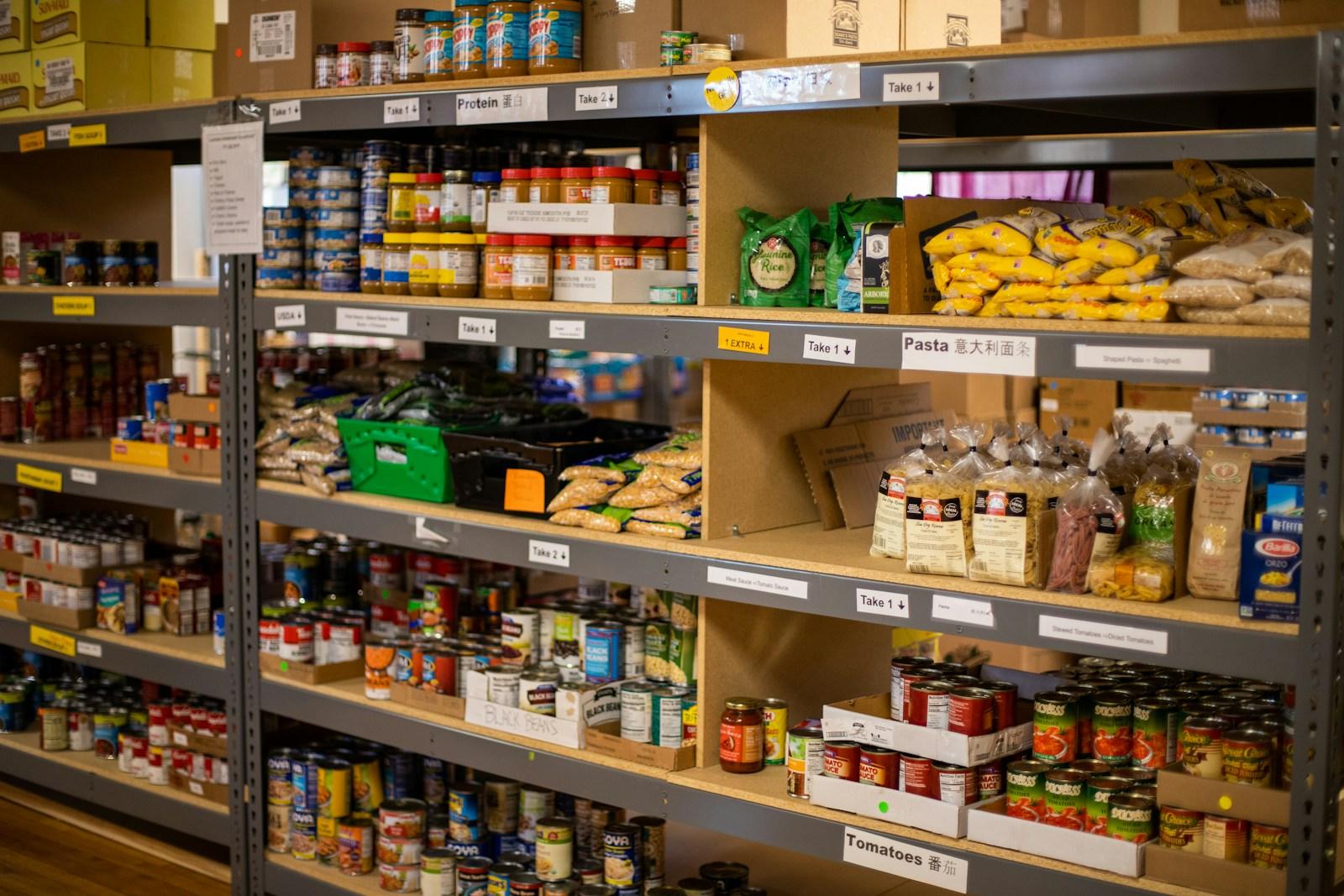
Food insecurity continues to affect millions of households across the United States. Families, seniors, and children often rely on community resources to meet basic nutritional needs. Food banks play a central role in addressing hunger, but they do not operate alone. Partnerships with federal programs provide critical support, ensuring that food banks can distribute nutritious meals and reach vulnerable populations more effectively.
These collaborations create a safety net that combines local community efforts with national resources. Food banks provide the infrastructure, volunteers, and outreach, while federal programs supply funding, food commodities, and policy guidance. Together, they form a powerful alliance that reduces hunger and promotes health across diverse communities.
The Role of Food Banks
Food banks serve as central hubs for collecting, storing, and distributing food. They partner with local pantries, soup kitchens, shelters, and community organizations to ensure that food reaches those in need. Donations from individuals, retailers, and manufacturers provide much of the supply, but federal programs add stability and scale.
Food banks also provide logistical expertise. They manage warehouses, coordinate transportation, and ensure food safety standards are met. This infrastructure allows federal programs to deliver commodities efficiently, knowing that food banks can handle distribution.
Beyond logistics, food banks engage in outreach and education. They connect families with nutrition programs, provide cooking demonstrations, and promote healthy eating. These efforts complement federal initiatives, creating a holistic approach to food security.
Federal Programs Supporting Food Banks
Several federal programs partner directly with food banks to provide resources and support.
- The Emergency Food Assistance Program (TEFAP): TEFAP supplies food commodities to food banks, which then distribute them to local agencies. This program ensures that families have access to staple foods such as canned vegetables, pasta, rice, and protein sources.
- Supplemental Nutrition Assistance Program (SNAP): While SNAP provides direct benefits to households, food banks often assist with outreach and enrollment. They help families understand eligibility requirements and navigate applications.
- Commodity Supplemental Food Program (CSFP): CSFP focuses on seniors, providing monthly food packages that support health and independence. Food banks play a key role in distributing these packages, ensuring that older adults receive consistent nutrition. This collaboration highlights the importance of CSFP senior nutrition in addressing the unique needs of aging populations.
- Child Nutrition Programs: Food banks often partner with programs such as the Summer Food Service Program (SFSP) and the National School Lunch Program to provide meals during school breaks and support children’s health.
These programs provide food, funding, and guidance, while food banks deliver services directly to communities. The partnership ensures that federal resources reach households efficiently and effectively.
Benefits for Families
Families benefit significantly from the partnership between food banks and federal programs. First, they gain access to consistent supplies of nutritious food. Federal commodities provide staples that families can rely on, while food banks supplement with fresh produce and local donations.
Second, families receive support beyond food. Food banks often provide information about federal programs, helping households enroll in SNAP or WIC. This guidance ensures that families maximize available resources.
Third, families experience reduced financial strain. Access to free or low‑cost food allows households to allocate limited income to other essentials such as housing, healthcare, and education. This stability promotes overall well‑being.
Fourth, families benefit from improved health outcomes. Federal programs emphasize nutrition, ensuring that food packages include balanced options. Food banks reinforce this focus by offering education and promoting healthy eating habits.
Benefits for Communities
Communities also gain from these partnerships. Food banks strengthen local networks by collaborating with schools, nonprofits, and healthcare providers. These connections create comprehensive support systems that address multiple aspects of poverty and health.
Federal programs provide resources that stabilize food supplies, reducing reliance on emergency donations. Communities benefit from consistent access to food, which supports resilience during economic downturns or natural disasters.
Partnerships also promote equity. Federal programs prioritize vulnerable populations, while food banks ensure that resources reach diverse communities. This collaboration reduces disparities in access to nutrition and promotes fairness.
Policy and Equity Considerations
The partnership between food banks and federal programs reflects broader policy goals of reducing hunger and promoting health equity. Federal funding ensures that resources are distributed fairly, while food banks provide local expertise to reach underserved populations.
Equity is central to these efforts. Programs such as CSFP target seniors, while child nutrition initiatives focus on young people. Food banks ensure that these resources are accessible, tailoring distribution to meet community needs.
Policy considerations also include sustainability. Federal programs emphasize nutrition and food safety, while food banks promote efficiency and reduce waste. Together, they create systems that support long‑term health and resilience.
Food banks and federal programs form a powerful alliance in the fight against hunger. Through partnerships with initiatives such as TEFAP, SNAP, CSFP, and child nutrition programs, food banks deliver consistent, nutritious food to families, seniors, and children. These collaborations reduce financial strain, promote health, and strengthen communities.
The focus on CSFP senior nutrition highlights the importance of addressing the unique needs of older adults, while child nutrition programs ensure that young people grow up healthy and ready to learn. Families benefit from reduced costs, communities gain resilience, and states achieve policy goals of equity and sustainability.