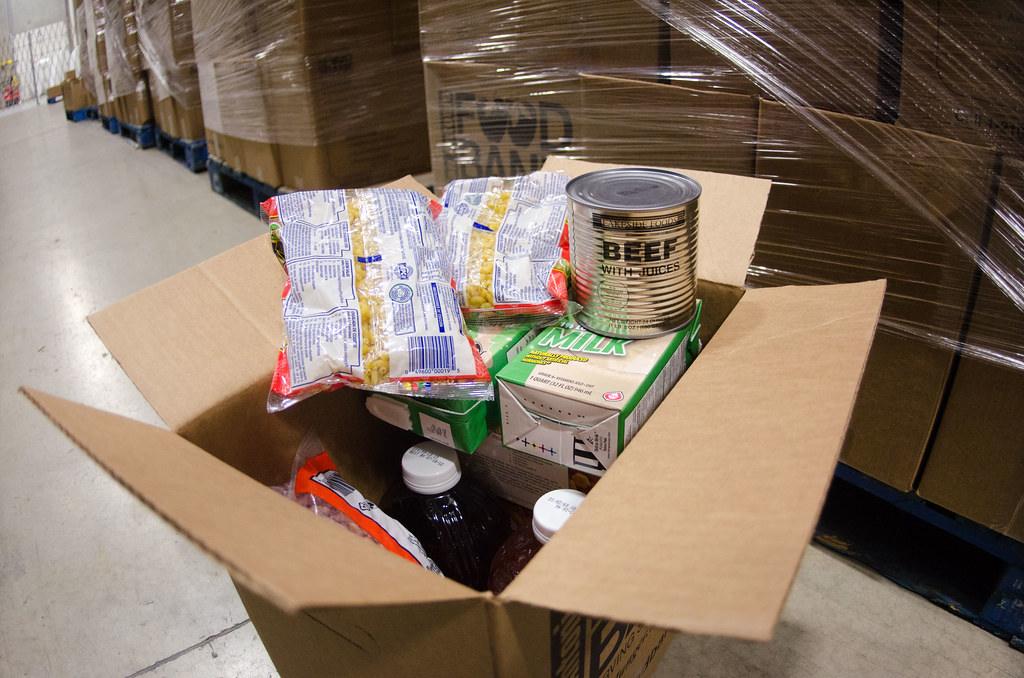
Millions of families across the United States rely on nutrition support programs to make ends meet. The Supplemental Nutrition Assistance Program, commonly known as SNAP, is the largest initiative designed to help households afford groceries. It provides monthly benefits that reduce hunger and improve health outcomes. Understanding how SNAP works helps families, policymakers, and communities appreciate its role in supporting vulnerable households.
Background of SNAP
SNAP was originally called the Food Stamp Program. It began in the 1960s as a way to reduce hunger and support farmers. Families received paper coupons that could be exchanged for food at grocery stores. Over time, the program evolved into a modern system using electronic benefit transfer cards. Today, SNAP serves more than 40 million Americans, making it the most significant nutrition program in the country.
Purpose of SNAP
The purpose of SNAP is simple: to ensure families can afford nutritious food. Benefits help households purchase groceries such as fruits, vegetables, dairy, meat, and grains. SNAP reduces food insecurity, improves health, and supports children’s development. Families with limited income benefit most, since groceries often consume large portions of household budgets. SNAP also stabilizes communities by reducing reliance on food banks and emergency services.
How Benefits Are Delivered
SNAP benefits are distributed through electronic benefit transfer cards, often called EBT cards. These cards work like debit cards, allowing families to purchase approved food items. Benefits are loaded monthly, giving households predictable access to funds. Families can use EBT cards at grocery stores, farmers markets, and some online retailers. The system ensures convenience and reduces stigma compared to paper coupons.
Eligibility Requirements
Eligibility for SNAP depends on income, household size, and expenses. Families must earn below certain thresholds set by federal guidelines. States may adjust rules slightly, but most follow federal standards. Applicants must provide documentation such as pay stubs, rent receipts, and identification. Some households qualify automatically if they receive other benefits like Supplemental Security Income. Eligibility rules ensure benefits reach families most in need.
Application Process
Applying for SNAP requires completing forms and submitting documentation. Families can apply online, by mail, or in person at local offices. Applications ask for income details, household size, and expenses. Agencies review applications and verify information before approval. Families usually receive decisions within several weeks. Approved households receive EBT cards loaded with monthly benefits. The process may seem complex, but local offices provide guidance and support.
What Families Can Buy
SNAP benefits cover a wide range of food items. Families can purchase fruits, vegetables, meat, dairy, bread, and cereals. Benefits also cover seeds and plants that produce food. However, SNAP does not cover alcohol, tobacco, or non‑food items. Hot prepared meals are generally excluded, though some states allow exceptions. Families must understand rules to avoid problems at checkout.
Role of States in Administration
Although SNAP is federally funded, states administer the program. Each state manages applications, eligibility verification, and benefit distribution. This structure creates differences in how families experience SNAP. Some states offer streamlined online applications, while others rely heavily on in‑person offices. States also decide whether to expand access to farmers markets or online retailers. The federal government provides oversight, but states handle daily operations.
Impact on Families
SNAP benefits reduce hunger and improve nutrition for millions of households. Families use benefits to buy healthier foods, supporting long‑term health outcomes. Children benefit most, since nutrition affects growth, learning, and school performance. Older adults also rely on SNAP to maintain balanced diets. Families report reduced stress when they know groceries are covered. SNAP provides stability during unemployment, medical emergencies, or economic downturns.
Impact on Communities
Communities benefit when families access SNAP. Grocery stores see increased sales, supporting local economies. Farmers markets gain customers when states expand SNAP access. Reduced hunger improves public health, lowering costs for hospitals and clinics. SNAP also reduces reliance on food banks, allowing charities to focus on emergencies. Communities grow stronger when households have reliable access to food.
Challenges Facing SNAP
Despite its success, SNAP faces challenges. Funding debates in Congress sometimes threaten program stability. States struggle with administrative backlogs, delaying benefits for families. Fraud prevention measures create additional paperwork, slowing applications. Families may face stigma when using benefits, despite the program’s importance. Addressing these challenges requires stronger investment, clearer communication, and public education.
Federal Food Assistance Program Framework
SNAP is part of a broader federal food assistance program framework. This framework includes initiatives like WIC, school meal programs, and food banks. Together, these programs reduce hunger and support vulnerable households. SNAP remains the largest component, providing consistent monthly support nationwide. Families benefit most when programs work together to address food insecurity.
Preparing Families for Success
Families can maximize SNAP benefits by planning meals carefully. Creating grocery lists ensures funds are used efficiently. Shopping at farmers markets provides fresh produce at lower costs. Families should track monthly balances to avoid running out of funds. Community organizations often provide nutrition education, helping households make healthier choices. Preparation ensures families use SNAP effectively.
Conclusion
SNAP is the largest nutrition program in the United States, supporting millions of households. It provides monthly benefits through EBT cards, helping families afford groceries. Eligibility depends on income and household size, with applications managed by states. Families use benefits to buy nutritious food, improving health and reducing stress. Communities benefit from stronger economies and reduced hunger. Despite challenges, SNAP remains essential to national food security. With preparation and awareness, families can use SNAP to build healthier, more stable futures.