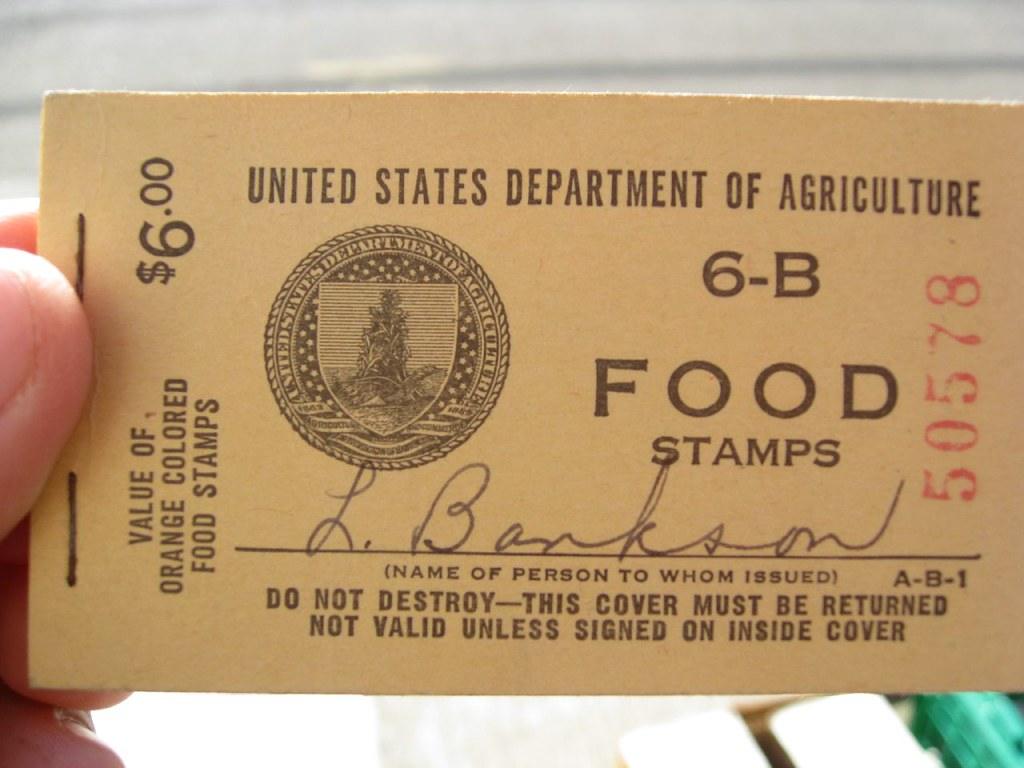
The Supplemental Nutrition Assistance Program, or SNAP, is the largest nutrition support program in the United States. It helps more than 42 million Americans afford groceries each month. Despite its importance, recent events have exposed serious weaknesses in benefit distribution. Families relying on food stamps have faced delays, denials, and confusion, leaving many struggling to put food on the table.
Background of SNAP
SNAP was originally known as the Food Stamp Program. It provides monthly benefits through electronic cards that work like debit cards. Families use these cards to purchase approved food items at grocery stores. The program is federally funded but administered by states, creating differences in how benefits are delivered. This structure means that federal decisions and state implementation both affect households directly.
Government Shutdown Impact
In late 2025, a prolonged government shutdown disrupted SNAP payments. The U.S. Department of Agriculture announced it would not pay benefits for the following month, sparking lawsuits from states. Families across the country experienced stressful delays in November 2025. Grocery stores reported confusion as customers attempted to use cards with no funds available. Although funding was eventually restored, the incident revealed how vulnerable the system is to political disputes. Families learned that even short shutdowns can create immediate hardship.
New Eligibility Rules in 2026
The USDA redefined eligibility requirements for SNAP in 2026. These changes include stricter income verification and new documentation standards. Families must provide more detailed information, increasing the risk of delays. Older adults and households with irregular income face particular challenges. For example, workers with seasonal jobs often struggle to prove consistent eligibility. The new rules are intended to reduce fraud, but they also create barriers for legitimate applicants. Families who fail to submit documents correctly may lose benefits temporarily.
Expanded Work Requirements
Starting February 2026, expanded work requirements apply to more SNAP recipients. Adults without dependents must meet stricter employment or training obligations. States are responsible for enforcing these rules, which vary widely. Families who cannot meet requirements risk losing benefits. Critics argue that expanded rules ignore the realities of rural areas and limited job opportunities. Supporters claim the changes encourage self‑sufficiency, but many households face added stress. The uneven enforcement across states creates confusion for families moving between regions.
State Funding Pressures
Several states now pay a larger share of SNAP costs, up to 75 percent in some cases. This shift strains budgets and slows benefit distribution. States facing financial difficulties may delay payments or reduce support. Families in these regions experience longer waits and smaller benefits. Local agencies often struggle to balance limited funding with growing demand. The result is inconsistent access to food support depending on where families live.
Restrictions on Purchases
Some states introduced bans on using SNAP for junk food purchases. While intended to promote healthier diets, these restrictions complicate transactions. Families may face confusion at checkout, leading to delays in accessing food. Grocery stores must train staff to enforce rules, adding another layer of complexity. Critics argue that restrictions stigmatize low‑income households and limit choice. Supporters believe the rules encourage healthier eating habits, but families often feel singled out.
Administrative Backlogs
State agencies processing SNAP applications face growing backlogs. Increased documentation requirements and staffing shortages slow approval times. Families waiting for benefits often rely on food banks or community support. Delays in processing renewals create gaps in monthly assistance. Administrative backlogs highlight the need for stronger infrastructure and better staffing. Families suffer when agencies cannot keep pace with demand.
Technology Challenges
SNAP benefits are distributed through electronic systems, but technology failures sometimes occur. Outages at payment processors or state systems prevent families from accessing funds. Even short disruptions create chaos at grocery stores. Families attempting to buy food may face declined transactions despite eligibility. Technology challenges reveal the importance of reliable systems for essential programs.
Food Stamp Distribution Issues
The recent problems reveal systemic weaknesses in food stamp distribution. Federal funding interruptions, state budget pressures, and new eligibility rules all contribute to delays. Families often lack clear communication about when benefits will be available. A food stamp distribution issues framework shows how political, administrative, and logistical challenges combine to harm households. Without stronger safeguards, families remain vulnerable to disruptions beyond their control.
Impact on Families
Delays in SNAP benefits create immediate hardship. Families miss meals, rely on food banks, or borrow money to buy groceries. Children and older adults are especially vulnerable. Stress increases when households cannot predict when benefits will arrive. Parents often skip meals to ensure children eat. Communities see rising demand at food pantries when benefits are delayed. These struggles highlight the importance of reliable distribution systems.
Possible Solutions
Several solutions could reduce delays and improve SNAP reliability. Stronger federal safeguards would prevent shutdowns from halting payments. Simplified eligibility rules could reduce administrative backlogs. Increased funding for state agencies would improve staffing and processing times. Better technology infrastructure would prevent outages and ensure consistent access. Clearer communication with families would reduce confusion and stress. Together, these measures could strengthen SNAP and protect vulnerable households.
SNAP remains a lifeline for millions of Americans, but recent delays expose serious flaws. Government shutdowns, stricter eligibility rules, expanded work requirements, state funding pressures, administrative backlogs, and technology failures all contribute to instability. Families deserve consistent access to food support without uncertainty. Addressing these issues requires stronger safeguards, clearer communication, and fairer policies. SNAP must continue evolving to protect vulnerable households and ensure reliable nutrition support.